The Importance of Quick Response in Water Damage Emergencies

Water damage emergencies are among the most urgent and potentially destructive situations a homeowner can face. Whether caused by a burst pipe, appliance failure, severe weather, or an overflowing fixture, water has the ability to spread rapidly and infiltrate nearly every part of a home. What starts as a localized issue can escalate into a widespread problem within hours, affecting flooring, walls, furniture, and even the structural integrity of the building.

In these situations, time is not just important—it is critical. A quick response can significantly reduce the extent of the damage, lower repair costs, and prevent long-term complications such as mold growth and structural deterioration. Understanding why immediate action matters and knowing how to respond effectively can make all the difference in protecting your home and restoring it efficiently. Visit Our Website for additional information.
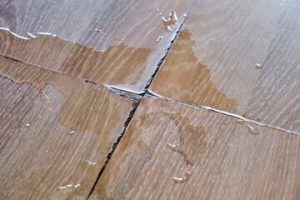
water damage restoration

How Water Damage Escalates Over Time

Water damage is a dynamic process that worsens the longer it is left unaddressed. Within minutes, water begins to spread across surfaces, soaking into porous materials such as wood, drywall, and carpeting. As time progresses, it penetrates deeper into subfloors, insulation, and structural components.

Within the first few hours, materials may start to swell, warp, or discolor. Furniture and personal belongings can absorb water, becoming damaged or unsalvageable. Electrical systems may also be compromised, creating potential safety hazards.

After 24 to 48 hours, the situation becomes even more serious. Mold can begin to develop, especially in damp and poorly ventilated areas. This not only damages materials further but also introduces health risks for occupants. The longer the response is delayed, the more complex and costly the restoration process becomes.

Minimizing Structural Damage Through Immediate Action

One of the primary reasons for a quick response is to minimize structural damage. Water weakens building materials over time, causing wood to rot, metal to corrode, and drywall to deteriorate. If left untreated, these issues can compromise the stability and safety of the home.

Acting quickly helps limit the amount of water that is absorbed into these materials. By removing water and beginning the drying process early, homeowners can preserve the integrity of walls, floors, and support structures. This reduces the need for extensive repairs and helps maintain the overall value of the property.

Immediate action also prevents water from spreading to unaffected areas, containing the damage and simplifying the restoration process.

Preventing Mold Growth and Health Risks

Mold growth is one of the most significant consequences of delayed response to water damage. Mold thrives in moist environments and can begin to grow within a short period of time. Once it takes hold, it can spread rapidly, affecting both visible and hidden areas of the home.

The presence of mold poses health risks, including respiratory issues, allergies, and irritation. For individuals with preexisting conditions, these risks can be even more severe. Preventing mold growth requires prompt removal of moisture and thorough drying of all affected areas.

Key steps to prevent mold include:

  1. Removing standing water immediately, to reduce moisture levels.
  2. Using proper drying equipment, such as fans and dehumidifiers, to eliminate residual moisture.

By addressing moisture quickly, homeowners can create conditions that are unfavorable for mold growth, protecting both their property and their health.

Reducing Repair Costs and Financial Impact

The financial implications of water damage can be significant, especially when response is delayed. As damage spreads and materials deteriorate, the scope of repairs increases, leading to higher costs. What might have been a minor repair can quickly turn into a major restoration project.

A quick response helps control costs by limiting the extent of the damage. Early intervention allows for targeted repairs, reducing the need for widespread replacement of materials. It also minimizes the risk of secondary issues, such as mold remediation, which can add to the overall expense.

From a financial perspective, acting quickly is one of the most effective ways to protect your investment and avoid unnecessary costs.

Protecting Personal Belongings

In addition to structural components, water damage can affect personal belongings, including furniture, electronics, and important documents. These items are often vulnerable to water exposure and can be difficult or impossible to replace.

A rapid response increases the chances of salvaging these items. Removing them from affected areas, drying them promptly, and taking protective measures can prevent permanent damage. Even items that appear to be heavily affected may be recoverable if addressed quickly.

Protecting personal belongings not only reduces financial loss but also preserves items of sentimental value that cannot be replaced.

The Role of Professional Emergency Services

Professional water damage restoration services are equipped to respond quickly and effectively to emergencies. They have the tools, expertise, and experience needed to assess the situation, extract water, and implement drying strategies.

Their rapid response capabilities are essential for minimizing damage and ensuring a thorough recovery process. Professionals use advanced equipment to detect hidden moisture, monitor drying progress, and prevent secondary damage.

Benefits of professional emergency response include:

  1. Faster water extraction, using industrial-grade equipment.
  2. Comprehensive drying, addressing both visible and hidden moisture.

Relying on professional services ensures that the response is both immediate and effective, reducing the risk of long-term issues.

Safety Considerations During Emergencies

Water damage emergencies can create hazardous conditions that require careful handling. Electrical systems, gas lines, and structural elements may be compromised, posing risks to occupants.

Before entering affected areas, it is important to assess potential dangers. Turning off electricity, avoiding contact with standing water, and wearing protective gear can help prevent injuries.

Safety should always be a priority during emergency response. Taking the necessary precautions ensures that the situation is handled responsibly and reduces the risk of additional harm.

Steps to Take Immediately After Water Damage

Knowing what to do in the first moments after water damage occurs is critical for effective response. Taking the right steps can significantly reduce the impact and set the stage for successful restoration.

Immediate actions to take include:

  1. Stopping the source of water, such as shutting off the main supply or repairing leaks.
  2. Removing excess water, using available tools or professional services.
  3. Ventilating the area, by opening windows and using fans to promote airflow.
  4. Documenting the damage, for insurance purposes.

These steps help stabilize the situation and prevent further damage while preparing for the next phase of recovery.

Long-Term Benefits of Quick Response

Responding quickly to water damage emergencies offers benefits that extend beyond immediate recovery. It helps preserve the structural integrity of the home, maintain indoor air quality, and reduce the likelihood of recurring issues.

A prompt response also contributes to a smoother restoration process, minimizing disruptions to daily life. Homeowners can return to normal routines more quickly, with confidence that their home has been properly restored.

In the long term, quick action protects property value and ensures that the home remains a safe and comfortable living environment.

Building Preparedness for Future Emergencies

While water damage emergencies are often unexpected, being prepared can make a significant difference in response time. Having a plan in place allows homeowners to act quickly and effectively when an incident occurs.

Preparation strategies include:

  1. Regular maintenance of plumbing and appliances, to reduce the risk of leaks.
  2. Keeping emergency tools on hand, such as wet vacuums and fans.
  3. Knowing how to shut off water and electricity, in case of an emergency.

Being prepared ensures that homeowners can respond immediately, minimizing damage and improving outcomes.

Conclusion

The importance of quick response in water damage emergencies cannot be overstated. Time plays a critical role in determining the extent of damage, the cost of repairs, and the overall success of the restoration process. Acting promptly helps minimize structural damage, prevent mold growth, protect personal belongings, and reduce financial impact.

From immediate mitigation steps to professional intervention and long-term prevention, every action taken during the early stages of a water damage emergency contributes to a better outcome. By understanding the urgency of the situation and responding effectively, homeowners can protect their property and ensure a safe, healthy living environment.

Ultimately, a quick response is not just about addressing the immediate problem—it is about safeguarding the future of your home.

Kitchen Remodeling Trends: Designing a Functional and Stylish Cooking Space

The kitchen has always been considered the heart of the home, serving as a place for cooking, gathering, and entertaining. Over the years, kitchen design has evolved to emphasize both functionality and style, with homeowners seeking spaces that are not only aesthetically pleasing but also efficient and adaptable to modern lifestyles. Whether you’re planning a minor update or a full-scale remodel, staying current with the latest Kitchen Remodeling Lexington KY trends can ensure your investment adds value, comfort, and visual appeal to your home. From layout adjustments to material choices, lighting, and smart technology, designing a functional and stylish cooking space involves careful planning and an understanding of what works best for both daily use and long-term enjoyment.

kitchen remodeling

One of the most significant trends in kitchen remodeling is the emphasis on open and flexible layouts. Homeowners increasingly favor kitchens that seamlessly connect to living or dining areas, creating a sense of openness that encourages social interaction. The traditional closed-off kitchen is giving way to open-concept designs that allow for easier movement and better communication while cooking. Incorporating an island or peninsula not only adds counter space and storage but also serves as a central gathering point for family and guests. Multi-functional islands equipped with built-in appliances, seating, or storage solutions have become particularly popular, allowing homeowners to maximize both efficiency and social engagement within a single area. A well-planned layout can enhance workflow, reduce congestion, and make the kitchen feel welcoming rather than crowded.

Material selection is another major component of modern kitchen remodeling. Homeowners are moving toward surfaces that are both durable and visually striking. Quartz and granite countertops remain popular due to their resilience and ease of maintenance, while butcher block and recycled materials are gaining attention for their eco-friendly appeal and warm, natural look. Cabinetry has also seen a shift, with mixed-material designs becoming increasingly fashionable. For example, combining wood finishes with painted or high-gloss cabinets can create a layered, dynamic appearance that balances modernity with timeless elegance. Open shelving has also made a comeback, allowing homeowners to display attractive dishware, glassware, or decorative elements while keeping essential items within easy reach. These choices reflect a trend toward personalization and practicality, making kitchens both functional and inviting.

Another significant trend is the integration of smart technology. Homeowners are increasingly incorporating appliances and systems that enhance convenience, efficiency, and safety. Smart ovens, refrigerators, and dishwashers allow for remote monitoring and control, while voice-activated assistants can help manage timers, recipes, and grocery lists. Energy-efficient lighting, automated faucets, and motion-sensor waste bins are examples of technology that streamline daily tasks while reducing environmental impact. Smart home features are particularly appealing in open-concept kitchens, where seamless interaction between appliances and living spaces enhances usability. Incorporating technology into your kitchen remodel not only improves day-to-day functionality but also adds value to your home by reflecting contemporary expectations for convenience and modern living.

Lighting design has also become a crucial element of kitchen remodeling. Beyond mere illumination, lighting serves both practical and aesthetic purposes. Layered lighting, which combines ambient, task, and accent lighting, ensures that the space is well-lit for cooking, cleaning, and socializing. Pendant lights over islands, under-cabinet lighting for countertops, and statement fixtures can create visual interest while maintaining functionality. Natural light is another highly sought-after feature, with homeowners investing in skylights, large windows, or glass doors to brighten the kitchen and improve the overall mood of the space. Well-designed lighting can transform the kitchen from a purely utilitarian area into a warm, inviting environment that encourages creativity, comfort, and connection.

Storage solutions continue to be a top priority in kitchen remodeling. Modern homeowners want spaces that are clutter-free and organized, with every item having a designated place. Pull-out drawers, deep cabinets, and vertical storage options make it easier to access cookware, pantry items, and utensils. Innovative solutions such as built-in spice racks, hidden trash bins, and appliance garages contribute to a streamlined appearance while maintaining maximum usability. Additionally, custom cabinetry can optimize awkward spaces, corners, and underutilized areas, ensuring that every inch of the kitchen is functional. Thoughtful storage design not only improves workflow but also contributes to a polished, stylish look that enhances the room’s overall appeal.

Color and finish trends have also evolved to reflect contemporary tastes and personal expression. While white kitchens remain timeless for their brightness and versatility, bold color choices such as deep blues, forest greens, and charcoal grays are increasingly popular. Matte finishes, two-toned cabinetry, and mixed textures create visual depth and add sophistication. Metallic accents, such as brass or matte black hardware, can introduce contrast and elevate the space’s aesthetic. These color and finish combinations allow homeowners to inject personality into the kitchen while adhering to a cohesive design that feels modern and fresh. Choosing the right palette is crucial, as it sets the tone for the entire space and ensures that the kitchen complements the home’s broader design scheme.

Functionality remains a cornerstone of successful kitchen remodeling. Homeowners are increasingly looking for layouts and features that accommodate both daily routines and entertaining needs. Considerations such as work triangles, appliance placement, and counter height optimization are essential for creating a space that is intuitive and efficient. Multi-purpose areas, such as islands with seating or countertops that double as homework spaces, provide flexibility for various household activities. Designing a kitchen with functionality in mind ensures that it is comfortable and practical, reducing stress and increasing enjoyment for everyone who uses it.

Incorporating sustainable and environmentally conscious features is another growing trend in kitchen design. Homeowners are opting for energy-efficient appliances, low-VOC paints, and sustainable cabinetry materials. Water-saving faucets, recycling systems, and LED lighting are examples of eco-friendly upgrades that minimize environmental impact while also reducing utility costs. Sustainable design does not compromise style; in fact, many modern materials offer a combination of aesthetic appeal, durability, and environmental responsibility. By choosing eco-conscious options, homeowners can create a kitchen that aligns with contemporary values without sacrificing beauty or functionality.

Here are two practical considerations to keep in mind when planning a kitchen remodel:

  1. Workflow Efficiency: Consider the kitchen’s layout to ensure a logical flow between cooking, cleaning, and storage areas. This reduces unnecessary movement and makes daily tasks easier.
  2. Future-Proofing: Plan for evolving needs by incorporating flexible design elements, such as adjustable shelving, modular storage, and multi-functional spaces. This ensures that the kitchen remains functional and stylish for years to come.

Hiring a professional, such as a general contractor or kitchen designer, is often advisable for larger remodeling projects. Professionals can assist with layout planning, selecting durable and attractive materials, coordinating subcontractors, and ensuring compliance with building codes. Their expertise helps prevent common pitfalls, such as costly design mistakes, inefficient workflows, or installation issues. Additionally, contractors can provide valuable insight into current trends, material availability, and long-term maintenance considerations. Engaging a professional ensures that your kitchen remodel is executed efficiently, safely, and to the highest standard, resulting in a space that is both functional and visually appealing.

In conclusion, designing a functional and stylish kitchen requires careful consideration of layout, materials, technology, lighting, storage, color, and sustainability. Modern trends emphasize open, flexible spaces, durable yet attractive surfaces, smart technology integration, and personalized finishes that reflect individual tastes. Homeowners should focus on creating a kitchen that not only meets their daily needs but also enhances social interaction, comfort, and long-term value. By balancing practicality with aesthetics and engaging professional guidance when necessary, you can achieve a kitchen that serves as the heart of your home—a space that is efficient, beautiful, and perfectly suited to your lifestyle.

Navigation