A septic system quietly manages household wastewater every day, making it one of the most important components of a property. Although it operates out of sight, routine maintenance is essential to keep the system functioning properly and to avoid expensive repairs. One of the most important maintenance tasks is understanding the septic pumping process and scheduling it before problems develop.
Septic Pumping Fresno removes the accumulated waste that naturally builds up inside the septic tank over time, helping the entire system continue working efficiently. Knowing what happens during the septic pumping process allows homeowners to protect their investment and extend the life of their septic system.
What Is the Septic Pumping Process?
The septic pumping process is a routine maintenance procedure that removes the accumulated sludge, scum, and wastewater from a septic tank using specialized vacuum equipment. As wastewater enters the tank, heavier solids settle to the bottom and form a layer of sludge, while lighter materials such as grease and oils float to the surface to create a layer of scum. The partially treated liquid between these layers flows into the drain field for further filtration. As sludge and scum continue to accumulate, the available space inside the tank gradually decreases. Pumping restores the tank’s capacity and allows the system to function efficiently again.
Many homeowners assume that septic tanks clean themselves, but solid waste remains inside the tank unless it is professionally removed. Natural bacteria help break down some organic material, but they cannot eliminate all accumulated solids. Without routine pumping, excessive sludge may eventually enter the drain field and reduce its ability to filter wastewater effectively. Preventive maintenance keeps waste contained inside the tank where it belongs. Regular pumping protects every part of the septic system.
Why Is Septic Pumping Important?
Routine septic pumping helps prevent many of the common issues associated with neglected septic systems. When sludge levels become too high, wastewater has less room to separate properly, increasing the likelihood that solid waste will move into the drain field. Once the drain field becomes clogged, repairs can be both complicated and expensive. Removing accumulated waste before this happens helps preserve the system’s ability to treat wastewater effectively. Preventive maintenance is significantly less costly than replacing major septic components.
Regular pumping also contributes to a cleaner and healthier property. Homeowners who delay maintenance may begin noticing unpleasant odors, slow-draining sinks, wastewater backups, or soggy areas around the drain field. These warning signs often indicate that the septic tank is approaching or has exceeded its capacity. Routine pumping helps reduce the risk of these problems while supporting consistent wastewater treatment. A properly maintained septic system operates quietly and efficiently.
What Happens During the Septic Pumping Process?
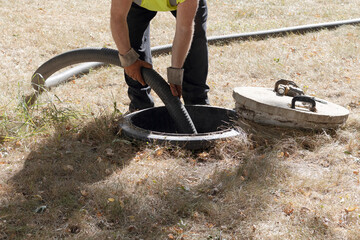
The septic pumping process begins by locating the septic tank and opening its access lid. Once the tank is exposed, the technician performs a visual inspection to evaluate the condition of the tank and measure the levels of sludge and scum that have accumulated inside. This inspection provides valuable information about how well the system has been functioning and whether maintenance has been performed at appropriate intervals. Identifying unusual conditions early helps prevent future problems. The inspection is an important part of the overall maintenance process.
After the inspection, a powerful vacuum hose connected to a specialized pumping truck is inserted into the tank. The equipment removes liquid waste, sludge, and floating scum until the tank has been thoroughly emptied. During the process, technicians may gently agitate the contents to help loosen compacted solids and ensure a more complete removal of waste. Once pumping is complete, the tank components may receive another quick inspection before the access lid is securely replaced. The system is then ready to resume normal operation.
How Often Should a Septic Tank Be Pumped?
There is no single pumping schedule that applies to every septic system because several factors influence how quickly waste accumulates. Household size, water usage, septic tank capacity, and the amount of solid waste entering the system all affect maintenance frequency. Larger households generally produce more wastewater and may require pumping more often than smaller households. Frequent use of garbage disposals or excessive water consumption can also accelerate sludge buildup. Every septic system has unique maintenance needs.
Rather than waiting for warning signs to appear, homeowners benefit from following a routine inspection and pumping schedule. Regular evaluations help determine when sludge levels are approaching the point where pumping becomes necessary. Delaying service until backups or drainage problems occur often increases the likelihood of additional repairs. Preventive maintenance helps avoid emergency situations while extending the lifespan of the entire system. Consistent care provides long-term reliability.
How Can Homeowners Prepare for Septic Pumping?
Preparing for the septic pumping process is relatively straightforward but can help ensure the appointment proceeds efficiently. The septic tank access area should be clear of vehicles, landscaping materials, outdoor furniture, or other obstacles that could limit access for service equipment. If the exact location of the septic tank is known, marking the area in advance may reduce preparation time. Easy access allows technicians to complete the work more efficiently. Good preparation helps streamline the maintenance visit.
Homeowners should also be prepared to discuss any recent plumbing concerns or unusual system behavior. Slow drains, sewage odors, gurgling pipes, or standing water around the property may provide useful information during the inspection. Sharing this information allows technicians to evaluate whether additional maintenance or repairs may be necessary. Open communication contributes to a more thorough assessment of the septic system. Early attention to potential issues often prevents larger problems later.
How Can Proper Maintenance Reduce Future Septic Problems?
Routine septic pumping works best when combined with responsible everyday maintenance habits. Conserving water helps reduce unnecessary strain on the septic system by allowing more time for solids to separate inside the tank. Repairing plumbing leaks, spreading laundry loads throughout the week, and installing water-efficient fixtures all contribute to healthier septic system performance. Managing water use supports the treatment process inside the tank. Small changes in daily habits can significantly improve system longevity.
Proper waste disposal also helps reduce sludge accumulation between pumping appointments. Grease, cooking oils, disposable wipes, paper towels, and other non-biodegradable materials should never enter the septic system because they increase buildup and may cause blockages. Limiting harsh chemical cleaners also helps preserve the beneficial bacteria responsible for breaking down organic waste. Protecting this natural biological process improves overall system efficiency. Responsible use supports long-term septic health.
How Does Routine Septic Pumping Protect Property Value?
A properly maintained septic system contributes to the overall condition and value of a property. Buyers often appreciate homes with documented maintenance records because they indicate responsible ownership and reduce concerns about expensive hidden repairs. Routine septic pumping demonstrates that the wastewater system has been cared for consistently over time. Preventive maintenance increases buyer confidence while reducing the likelihood of future problems. Well-maintained systems remain valuable property assets.
Regular pumping also helps preserve landscaping, prevent wastewater surfacing, and protect the drain field from unnecessary damage. Avoiding major septic failures helps homeowners minimize repair costs while maintaining the property’s appearance and functionality. Long-term maintenance reduces the likelihood of disruptive plumbing emergencies that could negatively affect daily living. A healthy septic system supports both property value and homeowner peace of mind. Preventive care remains one of the best long-term investments.
Final Thoughts
The septic pumping process is one of the most important maintenance procedures for keeping a septic system operating safely and efficiently. By removing accumulated sludge and scum before they interfere with normal wastewater treatment, routine pumping helps protect the septic tank, preserve the drain field, and reduce the risk of costly repairs. Combined with responsible water use, proper waste disposal, and regular inspections, scheduled septic pumping supports dependable system performance for many years. Investing in routine septic maintenance protects both the home and the long-term reliability of the entire wastewater system.