Author: Mathew Patel

Septic Pumping Process: How It Works and Why Regular Maintenance Matters

Septic Pumping

A septic system quietly manages household wastewater every day, making it one of the most important components of a property. Although it operates out of sight, routine maintenance is essential to keep the system functioning properly and to avoid expensive repairs. One of the most important maintenance tasks is understanding the septic pumping process and scheduling it before problems develop.

Septic Pumping Fresno removes the accumulated waste that naturally builds up inside the septic tank over time, helping the entire system continue working efficiently. Knowing what happens during the septic pumping process allows homeowners to protect their investment and extend the life of their septic system.

What Is the Septic Pumping Process?

The septic pumping process is a routine maintenance procedure that removes the accumulated sludge, scum, and wastewater from a septic tank using specialized vacuum equipment. As wastewater enters the tank, heavier solids settle to the bottom and form a layer of sludge, while lighter materials such as grease and oils float to the surface to create a layer of scum. The partially treated liquid between these layers flows into the drain field for further filtration. As sludge and scum continue to accumulate, the available space inside the tank gradually decreases. Pumping restores the tank’s capacity and allows the system to function efficiently again.

Many homeowners assume that septic tanks clean themselves, but solid waste remains inside the tank unless it is professionally removed. Natural bacteria help break down some organic material, but they cannot eliminate all accumulated solids. Without routine pumping, excessive sludge may eventually enter the drain field and reduce its ability to filter wastewater effectively. Preventive maintenance keeps waste contained inside the tank where it belongs. Regular pumping protects every part of the septic system.

Why Is Septic Pumping Important?

Routine septic pumping helps prevent many of the common issues associated with neglected septic systems. When sludge levels become too high, wastewater has less room to separate properly, increasing the likelihood that solid waste will move into the drain field. Once the drain field becomes clogged, repairs can be both complicated and expensive. Removing accumulated waste before this happens helps preserve the system’s ability to treat wastewater effectively. Preventive maintenance is significantly less costly than replacing major septic components.

Regular pumping also contributes to a cleaner and healthier property. Homeowners who delay maintenance may begin noticing unpleasant odors, slow-draining sinks, wastewater backups, or soggy areas around the drain field. These warning signs often indicate that the septic tank is approaching or has exceeded its capacity. Routine pumping helps reduce the risk of these problems while supporting consistent wastewater treatment. A properly maintained septic system operates quietly and efficiently.

What Happens During the Septic Pumping Process?

The septic pumping process begins by locating the septic tank and opening its access lid. Once the tank is exposed, the technician performs a visual inspection to evaluate the condition of the tank and measure the levels of sludge and scum that have accumulated inside. This inspection provides valuable information about how well the system has been functioning and whether maintenance has been performed at appropriate intervals. Identifying unusual conditions early helps prevent future problems. The inspection is an important part of the overall maintenance process.

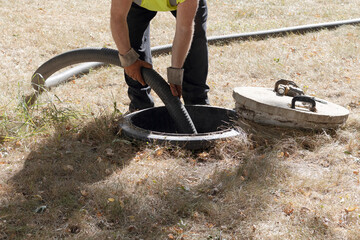
After the inspection, a powerful vacuum hose connected to a specialized pumping truck is inserted into the tank. The equipment removes liquid waste, sludge, and floating scum until the tank has been thoroughly emptied. During the process, technicians may gently agitate the contents to help loosen compacted solids and ensure a more complete removal of waste. Once pumping is complete, the tank components may receive another quick inspection before the access lid is securely replaced. The system is then ready to resume normal operation.

How Often Should a Septic Tank Be Pumped?

There is no single pumping schedule that applies to every septic system because several factors influence how quickly waste accumulates. Household size, water usage, septic tank capacity, and the amount of solid waste entering the system all affect maintenance frequency. Larger households generally produce more wastewater and may require pumping more often than smaller households. Frequent use of garbage disposals or excessive water consumption can also accelerate sludge buildup. Every septic system has unique maintenance needs.

Rather than waiting for warning signs to appear, homeowners benefit from following a routine inspection and pumping schedule. Regular evaluations help determine when sludge levels are approaching the point where pumping becomes necessary. Delaying service until backups or drainage problems occur often increases the likelihood of additional repairs. Preventive maintenance helps avoid emergency situations while extending the lifespan of the entire system. Consistent care provides long-term reliability.

How Can Homeowners Prepare for Septic Pumping?

Preparing for the septic pumping process is relatively straightforward but can help ensure the appointment proceeds efficiently. The septic tank access area should be clear of vehicles, landscaping materials, outdoor furniture, or other obstacles that could limit access for service equipment. If the exact location of the septic tank is known, marking the area in advance may reduce preparation time. Easy access allows technicians to complete the work more efficiently. Good preparation helps streamline the maintenance visit.

Homeowners should also be prepared to discuss any recent plumbing concerns or unusual system behavior. Slow drains, sewage odors, gurgling pipes, or standing water around the property may provide useful information during the inspection. Sharing this information allows technicians to evaluate whether additional maintenance or repairs may be necessary. Open communication contributes to a more thorough assessment of the septic system. Early attention to potential issues often prevents larger problems later.

How Can Proper Maintenance Reduce Future Septic Problems?

Routine septic pumping works best when combined with responsible everyday maintenance habits. Conserving water helps reduce unnecessary strain on the septic system by allowing more time for solids to separate inside the tank. Repairing plumbing leaks, spreading laundry loads throughout the week, and installing water-efficient fixtures all contribute to healthier septic system performance. Managing water use supports the treatment process inside the tank. Small changes in daily habits can significantly improve system longevity.

Proper waste disposal also helps reduce sludge accumulation between pumping appointments. Grease, cooking oils, disposable wipes, paper towels, and other non-biodegradable materials should never enter the septic system because they increase buildup and may cause blockages. Limiting harsh chemical cleaners also helps preserve the beneficial bacteria responsible for breaking down organic waste. Protecting this natural biological process improves overall system efficiency. Responsible use supports long-term septic health.

How Does Routine Septic Pumping Protect Property Value?

A properly maintained septic system contributes to the overall condition and value of a property. Buyers often appreciate homes with documented maintenance records because they indicate responsible ownership and reduce concerns about expensive hidden repairs. Routine septic pumping demonstrates that the wastewater system has been cared for consistently over time. Preventive maintenance increases buyer confidence while reducing the likelihood of future problems. Well-maintained systems remain valuable property assets.

Regular pumping also helps preserve landscaping, prevent wastewater surfacing, and protect the drain field from unnecessary damage. Avoiding major septic failures helps homeowners minimize repair costs while maintaining the property’s appearance and functionality. Long-term maintenance reduces the likelihood of disruptive plumbing emergencies that could negatively affect daily living. A healthy septic system supports both property value and homeowner peace of mind. Preventive care remains one of the best long-term investments.

Final Thoughts

The septic pumping process is one of the most important maintenance procedures for keeping a septic system operating safely and efficiently. By removing accumulated sludge and scum before they interfere with normal wastewater treatment, routine pumping helps protect the septic tank, preserve the drain field, and reduce the risk of costly repairs. Combined with responsible water use, proper waste disposal, and regular inspections, scheduled septic pumping supports dependable system performance for many years. Investing in routine septic maintenance protects both the home and the long-term reliability of the entire wastewater system.


What to Look For in a Foundation Repair Company

Pros Foundation Repair Greensboro NC company will assess the underlying causes of your foundation problems. They’ll also provide a detailed plan to correct your foundation’s issues. They should also explain their warranty policies and how long the repairs typically take.

Foundation Repair

You can live in your home during foundation repair, but you might want to move furniture and other possessions away from the walls.

Cracks in a foundation are not necessarily a sign of serious trouble, but they may be an indicator of an underlying issue that should be addressed sooner rather than later. It is important to keep an eye on these cracks and to have them professionally evaluated and repaired as soon as possible. Foundation damage can worsen over time, and it can also allow moisture into your home, which can cause odors, mold, and pests.

Most concrete foundation cracks are hairline in width and are found running vertically or diagonally across the wall. These are caused by normal settling and are generally cosmetic, not structural, issues. If a crack is extending past the corners of your home or you can fit a quarter in it, it’s time to call Renco for an evaluation.

Foundation cracks that are between 1/8 and 1/4 inch wide may be a sign of shrinkage in new concrete. This typically occurs within the first month after a foundation is poured. It is a common result of water evaporating from the concrete during curing and can be resolved with crack repair materials such as epoxy.

Wider cracks in a foundation are usually an indication of more significant problems and require immediate attention. You should also be aware of other warning signs such as sticking doors and windows, a tilting chimney, or gaps between walls, ceilings, and floors. Poor drainage around your home can also lead to a wet basement or crawl space, which can then lead to structural issues in the foundation. It’s a good idea to regularly walk the perimeter of your home and look for signs of movement in the foundation. In addition, it’s helpful to take pictures of the cracks with your phone so you can track changes over time and see if they’re getting wider or worsening. Getting these cracks repaired early can prevent further damage and help you save money in the long run.

Settlement

Settling is when portions of a foundation sink into the soil beneath it due to varying loads or environmental conditions. It can evolve gradually over the course of many years or occur suddenly after significant environmental events like heavy rain or drought. Settling can lead to wall cracks, doors and windows that stick, and uneven floors. If left unchecked, it can escalate into severe structural damage to the building above.

Differential settlement can be corrected in a variety of ways, depending on the severity and cause. Repair methods may include underpinning, which transfers the majority of the load to deeper soil layers to reduce the amount of pressure on the foundation. This technique can also be combined with shoring to strengthen the existing structure.

Another method of repairing differential settlement is helical piers. These are drilled into the ground underneath the affected area and then used to lift the foundation back into place. These are a more cost-effective solution than underpinning and can be completed in less time than traditional excavation techniques.

Regardless of the method chosen to stabilize the settled foundation, it is important that homeowners are aware of the difference between normal and problematic movement in their foundations. A foundation inspector can help determine whether a shifting foundation is cause for concern and recommend appropriate remedial solutions.

The most common sign of foundation problems is cracking, both vertical and diagonal. This can be caused by both settling and expansive clay soils. These cracks can widen over time, becoming stair-step in appearance as sections of the foundation move away from each other. Difficulty opening or closing doors and windows can also indicate foundation movement. Gaps between the frames of doors and windows may also appear, although these are not always a cause for concern.

Sagging floors can also be a sign of foundation problems. This occurs when the support system for the floor becomes weakened due to excessive weight, moisture levels, or poor construction techniques. The most serious issue resulting from this type of problem is when the floors slope down and affect the integrity of the building.

Water intrusion

Foundation repair isn’t just about preventing cracks; it also involves addressing water intrusion, which can cause serious damage over time. Water infiltration happens when moisture penetrates the concrete, brick, or stone that forms a foundation, seeps into pores and cracks, and then expands and contracts as it changes temperature. This constant cycle of expansion and contraction weakens the materials that form a foundation, ultimately causing them to deteriorate.

This problem can be caused by a variety of factors, including excessive rainfall, flooding, soil shifting, and poor construction. Improper drainage is another common cause of water intrusion. This can be due to clogged gutters that allow rainwater to spill over the sides of a home in sheets, downspouts that don’t direct groundwater and surface water away from the house, or improper grading that allows water to pool or saturate soil around the foundation.

Water can enter a foundation through cracks, through the soil surrounding the foundation, or through direct penetration of a crack. Structural cracks of 1/4 inch or wider may indicate a serious issue that requires immediate attention. Other signs of a serious issue include a musty smell, peeling paint, and puddles in the basement after rainfall.

A professional can assess the severity of a water intrusion problem and recommend the most effective solution for your situation. In many cases, this will involve removing the excess water and then sealing the cracks with special epoxies or sealants. This will prevent further movement of the cracks and reduce the potential for future structural damage.

For a more comprehensive approach, a professional can install some type of drainage system to help reroute groundwater and surface water away from the foundation. This might include a French drain system, a rain garden, or other water-channeling strategies. In some cases, the professional might recommend underpinning or soil stabilization techniques to address a more severe issue. Taking action to correct a water intrusion problem promptly can protect the integrity of your foundation and save you money in the long run. By recognizing the early warning signs, you can keep your home safe and dry for years to come.

Types of foundations

There are different types of foundations in homes. Some are more prone to damage than others. It’s important to understand the difference in order to recognize problems that may arise. For example, if you see diagonal cracks extending from doors or windows, it’s a sign that your foundation is moving and needs repairs. Cracks that go from wall to wall are also a sign that your home’s foundation is shifting.

A slab on grade foundation is a concrete slab that sits directly on the ground, without a basement or crawl space underneath. It’s usually less expensive than other types of foundations but can be problematic if the soil beneath it is unstable. If the soil moves significantly, hydrostatic pressure will build up, pushing against the foundation from below. This can also happen if there is poor drainage, causing water to accumulate in the soil.

Slab on grade foundations can be repaired using a method called helical piers. This involves drilling several cylindrical holes into the ground below your foundation, then screwing steel piers into place and using hydraulic jacks to lift the foundation back to its original elevation. This type of repair is often used in areas with unstable soil or high flood risk.

Brick or stone pier foundations are common in older Texas homes. These foundations elevate the home off the ground, which improves ventilation and makes it easier to access plumbing and electrical fixtures. This type of foundation can be damaged by moisture if the soil under it shifts, which may require a pier and beam repair.

The best way to protect your investment is to prevent future damage with regular inspections and maintenance. A professional can help you identify signs of foundation problems like sticky doors and windows and hairline cracks in the walls and floors. Repairing these problems early will save you money and keep your home safe. It can also help you secure a higher selling price when it comes time to move. Remember, a foundation repair company should be licensed and insured, and they should be able to explain the problem clearly in terms you can understand.

Cabinet Refinishing Vs Cabinet Refacing

San Jose Cabinet Refinishing

San Jose Cabinet Refinishing is a cost-effective solution that allows you to transform your cabinets without the expense and inconvenience of a full remodel. Refinishing only affects the visible surfaces of your cabinetry and involves repairing imperfections, sanding, and staining or painting.

Choosing whether to refinish or reface your cabinets depends on the condition of your current cabinets and the desired aesthetic. Read on to learn more about the advantages of each option:

Cost

Cabinet refinishing is more cost-friendly than refacing or replacing cabinets entirely. It’s a great option for those who like their current kitchen layout but want a quick refresh that doesn’t require a major remodel. This process keeps your existing cabinetry intact and simply updates the look with new doors, drawer fronts, and hardware.

Refinishing is also an excellent choice for those looking to change their color scheme without altering the current layout of their cabinetry. Whether you want to make your home feel more modern with a bright white finish or give it a rustic, traditional vibe with a rich stain, the options are endless.

A full cabinet replacement is a much larger undertaking that involves completely removing your old cabinets and installing brand-new ones. This can result in a significant price tag, especially if you’re also changing countertops, backsplashes, and appliances.

When you choose refacing, you’ll get a high-quality finish that’s built to last. The new factory-finished wood can withstand heat, moisture, and everyday wear and tear. This long-term solution is a smart investment that can transform your kitchen into the space of your dreams.

In addition to being more expensive than refinishing, cabinet refacing requires more time and labor. The process of refacing includes sanding the cabinet boxes and drawer fronts before applying new wood veneer. It’s important to note that refacing isn’t an option for laminate or thermofoil cabinetry, which can’t be sanded or chemically stripped.

While a complete overhaul may be appealing, it can be incredibly costly and a hassle to have your entire kitchen turned into a construction zone. Refinishing is much less invasive than a total replacement, meaning you’ll have fewer disruptions in your daily life and won’t have to deal with the mess and noise that comes with a complete remodel. You can also stay in your home while the work is being done, which isn’t always possible with a full replacement.

Durability

Cabinets play a significant role in the overall look of your kitchen, so when they start to show signs of wear and tear, it’s time for an upgrade. Depending on your budget and style goals, you have two options: cabinet refinishing or cabinet refacing. Both can give your space a fresh new look, but which is the right choice for you?

Refinishing is a cost-effective way to breathe new life into your cabinets, but it’s important to consider the longevity of the results. Refinishing will only last about 10 years before chips and scratches begin to appear, especially if you’re dealing with high-traffic areas like the countertops and sink. Refinishing is also not a good option for wood cabinets that have begun to split, which can occur due to exposure to moisture and heat over time.

Refacing is a much more durable option, and it’s also the best choice for homeowners who want to completely change the look of their kitchen. This process involves replacing the cabinet doors and drawer fronts with new ones in a different color and style, but the cabinet boxes and frame remain intact. Refacing is the best choice if you’re looking to completely change the style of your kitchen, and it can also help increase the value of your home.

Whether you choose to refinish or reface your cabinets, both projects involve some level of disruption to your daily routine. But refacing is the more invasive of the two, since it requires gutting part or all of your kitchen and living with construction noise, dust, and workers coming and going. Refinishing, on the other hand, is less invasive and allows you to stay in your home while the work is being done.

If you’re in need of a kitchen update, both cabinet refinishing and refacing can provide a dramatic transformation at an affordable price. The key is to decide which solution is best for your home and lifestyle. If you’re on a tight budget or simply want a short-term fix, refinishing is the right option. However, if you’re planning to stay in your home for the long haul and want results that can withstand years of holiday feasts, weekday chaos, and everyday use, then cabinet refacing is the better option.

Appearance

Cabinets are the largest visual element in your kitchen, so a change in their appearance has a big impact on your overall home design. If you’re ready to update your cabinets, but don’t want the invasiveness of a complete replacement, consider cabinet refinishing or refacing. These two projects differ in how much of the cabinetry is replaced and how they’re updated, but both offer a significant boost to your kitchen’s appearance and home value.

Refinishing involves keeping the existing cabinetry and changing its color or finish through sanding or chemical stripping, then applying a new stain or paint to the woodwork. The cabinet boxes themselves are not changed, which keeps the cost lower than refacing. However, this process can only improve your kitchen’s appearance so much. It’s best for homeowners who are content with their current cabinet layout and want a subtle upgrade to match their style preferences.

On the other hand, refacing replaces cabinet doors and drawer fronts with new options, while keeping the original frame, hinges, and other decorative hardware in place. This transforms the cabinets to look like they’re all-new, but at a much more affordable price than a full replacement. Cabinet refacing also gives homeowners more design options, as the new doors and drawer fronts can be customized to meet their desired style.

Both options are relatively quick to install, with refinishing taking just a few days and refacing up to two weeks. They’re also less disruptive to your daily life than a full replacement. With refacing, you’ll need to clear out your kitchen and protect countertops and floors from dust, but with refinishing, you can typically stay in the kitchen during the process.

While refinishing is cheaper, it’s important to keep in mind that it will eventually need to be redone or repainted. Investing in refacing will give you longer-lasting results and help your kitchen retain its value and appeal. Refacing will also help you increase the resale value of your home if you decide to sell later on. As a general rule, you should consider investing in refacing whenever your cabinets are showing signs of wear and tear.

Timeline

Cabinets are the centerpiece of any kitchen, setting the tone for your entire space and influencing its functionality. But over time, they can begin to show signs of wear and tear. Worn finishes, outdated styles, and minor damage can make them look tired and uninspired. Fortunately, there are a few different ways to transform your cabinets to create a fresh and vibrant new look.

Choosing the right approach depends on your renovation goals and cabinet box condition. If your cabinets are in good shape but you want a more modern appearance, refacing is the way to go. This process involves removing your existing doors and drawer fronts, cleaning and preparing the cabinet boxes, and applying a new veneer with a durable finish. New hardware is installed, too, to complete the look. Refacing projects typically take a fraction of the time of a replacement project and cause less disruption to your home.

On the other hand, refinishing is better suited for those who want to revive their current cabinets rather than replace them. It is a labor-intensive process that involves sanding down the surfaces of your existing cabinets and revitalizing them with a new stain or paint. Refinishing can help conceal any surface imperfections or marks, allowing you to hide minor wear and tear.

While refinishing can be completed as a DIY project, it’s best left to the professionals to ensure a quality result and minimal disruption to your daily routine. This process can be messy and requires the use of chemical stain removers to get down to the raw wood. This can also be a difficult project to do well, with inexperienced do-it-yourselfers risking glaring mistakes and extended downtime.

Both refinishing and refacing are great options for transforming your kitchen into the modern space you’ve always wanted. The key is understanding your options and which method fits your vision, goals, and budget. With professional guidance from a team of expert cabinet painters, you can make an informed decision and enjoy your refreshed home for years to come.

Navigation