Author: Ayesha Miles

Shaping Tomorrow by Mastering Rubbish Removal and Demolition

Paul’s Rubbish Removal and Demolition are often seen as final acts, yet they signal new beginnings. They strip away what no longer functions and reveal untouched ground. This process creates blank spaces ready to host future visions. Each cleared site becomes a foundation for reinvention.
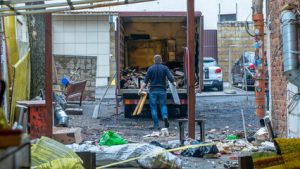
Rubbish Removal

A modern shift in rubbish removal is the rise of selective material recovery. Teams now identify items with secondary value before they leave the site. These salvaged pieces reduce the demand for new raw materials. It transforms waste from a burden into a resource.

Demolition is no longer centered on brute destruction but on intelligent sequencing. Structures are dismantled layer by layer with precise control. This limits damage to surrounding areas and conserves reusable parts. The method makes demolition an art of calculated reversal.

Rubbish removal has begun integrating smart tracking into collection containers. Each load is scanned to log weight, type, and destination. This real-time data stream improves planning accuracy. It ensures nothing is lost or mishandled during transit.

Demolition now frequently uses vibration-mapping sensors to guide the process. These sensors detect structural stress as walls are loosened. Workers can adjust techniques instantly to prevent collapses. It keeps both the site and the crew safer.

Rubbish removal strategies are also merging with air quality control. Misting systems are activated as debris is moved. They bind dust particles and prevent their spread. This keeps the environment breathable during heavy cleanup.

Demolition teams are exploring reversible construction logs to guide deconstruction. Original build sequences are studied and undone in reverse order. This keeps components intact and recoverable. It also teaches valuable lessons for future building designs.

Some rubbish removal projects are testing onsite micro-recycling stations. These compact units process materials the moment they are collected. They reduce the need for long-distance hauling. This immediate transformation speeds up site turnover.

Demolition is also experimenting with thermal cutting systems for quiet dismantling. Focused heat slices materials without creating shock vibrations. This preserves adjacent structures from unintended harm. It reshapes how dense urban demolitions are managed.

Rubbish removal is beginning to incorporate behavioral design into workflow. Workers are guided by visual cues on where and how to dispose materials. This reduces errors without slowing pace. It turns cleanup into a coordinated rhythm.

Demolition approaches are adopting predictive digital twins to simulate each phase. Teams can preview how a structure will react before touching it. This eliminates many unexpected hazards. It makes the work more like surgery than chaos.

Rubbish removal has started using compressible transport containers with adaptive pressure. They sense the material density and adjust their force. This prevents damage to reusable objects while compacting true waste. It balances preservation with efficiency.

Demolition now often includes acoustic monitoring to maintain controlled noise levels. Sensors track sound output and adjust tool speed. This prevents excessive disruption to surrounding environments. It blends productivity with sensitivity.

Rubbish removal methods are merging with soil regeneration tasks immediately after clearance. Once a site is cleared, quick-growing ground covers are planted. This prevents erosion and stabilizes the surface. It sets the stage for healthier redevelopment.

Demolition is exploring modular disassembly robots to handle confined structures. These small machines navigate tight spaces without harming adjacent areas. Their precision reduces collateral damage and cleanup. They change how intricate demolitions are approached.

Rubbish removal is adopting self-navigating transport carts inside large sites. These carts follow mapped routes that update as layouts shift. They prevent congestion and wasted motion. This automation improves speed without reducing accuracy.

Demolition planning is starting to use emotional mapping for site teams. Visual projections of the future space are shown throughout the teardown. This keeps morale high and focus clear. It reframes destruction as part of creation.

Rubbish removal has added scent-based contamination detection to early stages. Sensors release a subtle odor when they detect hazardous materials. This warns workers before contact occurs. It strengthens safety without slowing progress.

Demolition now often includes light-based precision saws instead of heavy impact tools. Concentrated beams cut steel or stone with minimal force. This reduces debris scatter and structural shock. It makes dismantling less disruptive.

Rubbish removal systems are experimenting with automated weight-balancing lifts. These lifts adjust for uneven loads as they rise. It prevents spills and strain on machinery. It keeps the workflow continuous and stable.

Demolition teams are integrating energy recapture platforms under falling debris zones. The kinetic force is converted into power for on-site tools. This reduces reliance on external electricity. It makes the process more self-sustaining.

Rubbish removal is testing transparent scheduling with public-facing dashboards. Progress updates are displayed in real time for all stakeholders. This keeps projects accountable and builds trust. It also prevents confusion about timelines.

Demolition has begun to involve soundless initiation phases. Instead of starting with noise-heavy machines, crews manually weaken key joints first. This creates a controlled and calm pace from the start. It reduces shock to nearby environments.

Rubbish removal methods are evolving to track carbon output per load. Each transport movement is logged with its emission footprint. Teams can then adjust routes for lower impact. It aligns cleanup with environmental responsibility.

Demolition is trying dust-absorbing mats that line work zones. These mats capture particles as they fall. They cut airborne dust without extra water or fans. This keeps both equipment and lungs clear.

Rubbish removal now sometimes integrates mixed reality navigation for workers. Visual overlays guide them on where to place or collect materials. This reduces errors in chaotic environments. It makes precision faster and more intuitive.

Demolition is experimenting with dissolvable binding agents that weaken materials from inside. They seep into joints and soften them silently. This allows clean separation without brute force. It reduces energy use and noise together.

Rubbish removal is embracing modular mobile hubs that relocate as zones are cleared. These hubs carry sorting, compressing, and tracking tools. They shorten internal travel distances for workers. This fluid movement accelerates completion.

Demolition planning now considers sensory comfort for workers through staged lighting. Light intensity shifts as work progresses deeper into a structure. This prevents visual fatigue and keeps alertness high. It creates safer long shifts.

Rubbish removal is testing adaptive color-tagging systems that change as bins fill. The color signals when certain materials should be prioritized. It keeps the flow balanced and prevents overflow. It turns sorting into a visual language.

Demolition has also started using robotic arms for salvage-first approaches. The arms gently extract valuable materials before main teardown begins. This reduces waste and increases recovery rates. It redefines demolition as a harvesting process.

Rubbish removal is developing silence-first schedules where operations align with natural quiet periods. Night-adapted machinery works with minimal sound output. This avoids disruption while maintaining momentum. It makes cleanup nearly invisible.

Demolition is incorporating temperature-mapping drones to spot hidden stress fractures. Heat signatures reveal where cracks are forming. Crews can address weak points before they fail. This increases control over the entire sequence.

Rubbish removal is shifting toward multi-layer compacting that separates materials by pressure tiers. Different forces compress different types of debris simultaneously. It saves time while keeping recyclables intact. It merges speed with precision.

Demolition is beginning to use kinetic scoring lines to guide material breakage. Controlled pre-cuts steer how pieces fall. This prevents chain reactions that damage nearby zones. It turns collapse into choreography.

Rubbish removal now includes emotion-responsive training modules for teams. Sensors track stress levels and suggest rest or task swaps. This maintains consistent performance without burnout. It makes cleanup human-centered as well as efficient.

Demolition has started combining holographic planning grids with live updates. Workers see exact positions of hidden supports as they work. This prevents accidental strikes on key elements. It allows real-time precision without guesswork.

Rubbish removal is experimenting with air-stream sorting that uses colored airflow jets. Lightweight debris is pushed into matching bins by coded gusts. This speeds sorting without physical contact. It reduces contamination and labor effort.

Demolition is trialing magnetic suspension to lift steel beams after cutting. Magnets catch the pieces before they drop. This prevents impact damage and eases transfer. It makes structural teardown smoother and safer.
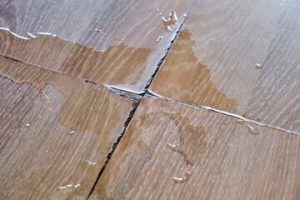
The Importance of Quick Response in Water Damage Emergencies

Water damage emergencies are among the most urgent and potentially destructive situations a homeowner can face. Whether caused by a burst pipe, appliance failure, severe weather, or an overflowing fixture, water has the ability to spread rapidly and infiltrate nearly every part of a home. What starts as a localized issue can escalate into a widespread problem within hours, affecting flooring, walls, furniture, and even the structural integrity of the building.

In these situations, time is not just important—it is critical. A quick response can significantly reduce the extent of the damage, lower repair costs, and prevent long-term complications such as mold growth and structural deterioration. Understanding why immediate action matters and knowing how to respond effectively can make all the difference in protecting your home and restoring it efficiently. Visit Our Website for additional information.

water damage restoration

How Water Damage Escalates Over Time

Water damage is a dynamic process that worsens the longer it is left unaddressed. Within minutes, water begins to spread across surfaces, soaking into porous materials such as wood, drywall, and carpeting. As time progresses, it penetrates deeper into subfloors, insulation, and structural components.

Within the first few hours, materials may start to swell, warp, or discolor. Furniture and personal belongings can absorb water, becoming damaged or unsalvageable. Electrical systems may also be compromised, creating potential safety hazards.

After 24 to 48 hours, the situation becomes even more serious. Mold can begin to develop, especially in damp and poorly ventilated areas. This not only damages materials further but also introduces health risks for occupants. The longer the response is delayed, the more complex and costly the restoration process becomes.

Minimizing Structural Damage Through Immediate Action

One of the primary reasons for a quick response is to minimize structural damage. Water weakens building materials over time, causing wood to rot, metal to corrode, and drywall to deteriorate. If left untreated, these issues can compromise the stability and safety of the home.

Acting quickly helps limit the amount of water that is absorbed into these materials. By removing water and beginning the drying process early, homeowners can preserve the integrity of walls, floors, and support structures. This reduces the need for extensive repairs and helps maintain the overall value of the property.

Immediate action also prevents water from spreading to unaffected areas, containing the damage and simplifying the restoration process.

Preventing Mold Growth and Health Risks

Mold growth is one of the most significant consequences of delayed response to water damage. Mold thrives in moist environments and can begin to grow within a short period of time. Once it takes hold, it can spread rapidly, affecting both visible and hidden areas of the home.

The presence of mold poses health risks, including respiratory issues, allergies, and irritation. For individuals with preexisting conditions, these risks can be even more severe. Preventing mold growth requires prompt removal of moisture and thorough drying of all affected areas.

Key steps to prevent mold include:

  1. Removing standing water immediately, to reduce moisture levels.
  2. Using proper drying equipment, such as fans and dehumidifiers, to eliminate residual moisture.

By addressing moisture quickly, homeowners can create conditions that are unfavorable for mold growth, protecting both their property and their health.

Reducing Repair Costs and Financial Impact

The financial implications of water damage can be significant, especially when response is delayed. As damage spreads and materials deteriorate, the scope of repairs increases, leading to higher costs. What might have been a minor repair can quickly turn into a major restoration project.

A quick response helps control costs by limiting the extent of the damage. Early intervention allows for targeted repairs, reducing the need for widespread replacement of materials. It also minimizes the risk of secondary issues, such as mold remediation, which can add to the overall expense.

From a financial perspective, acting quickly is one of the most effective ways to protect your investment and avoid unnecessary costs.

Protecting Personal Belongings

In addition to structural components, water damage can affect personal belongings, including furniture, electronics, and important documents. These items are often vulnerable to water exposure and can be difficult or impossible to replace.

A rapid response increases the chances of salvaging these items. Removing them from affected areas, drying them promptly, and taking protective measures can prevent permanent damage. Even items that appear to be heavily affected may be recoverable if addressed quickly.

Protecting personal belongings not only reduces financial loss but also preserves items of sentimental value that cannot be replaced.

The Role of Professional Emergency Services

Professional water damage restoration services are equipped to respond quickly and effectively to emergencies. They have the tools, expertise, and experience needed to assess the situation, extract water, and implement drying strategies.

Their rapid response capabilities are essential for minimizing damage and ensuring a thorough recovery process. Professionals use advanced equipment to detect hidden moisture, monitor drying progress, and prevent secondary damage.

Benefits of professional emergency response include:

  1. Faster water extraction, using industrial-grade equipment.
  2. Comprehensive drying, addressing both visible and hidden moisture.

Relying on professional services ensures that the response is both immediate and effective, reducing the risk of long-term issues.

Safety Considerations During Emergencies

Water damage emergencies can create hazardous conditions that require careful handling. Electrical systems, gas lines, and structural elements may be compromised, posing risks to occupants.

Before entering affected areas, it is important to assess potential dangers. Turning off electricity, avoiding contact with standing water, and wearing protective gear can help prevent injuries.

Safety should always be a priority during emergency response. Taking the necessary precautions ensures that the situation is handled responsibly and reduces the risk of additional harm.

Steps to Take Immediately After Water Damage

Knowing what to do in the first moments after water damage occurs is critical for effective response. Taking the right steps can significantly reduce the impact and set the stage for successful restoration.

Immediate actions to take include:

  1. Stopping the source of water, such as shutting off the main supply or repairing leaks.
  2. Removing excess water, using available tools or professional services.
  3. Ventilating the area, by opening windows and using fans to promote airflow.
  4. Documenting the damage, for insurance purposes.

These steps help stabilize the situation and prevent further damage while preparing for the next phase of recovery.

Long-Term Benefits of Quick Response

Responding quickly to water damage emergencies offers benefits that extend beyond immediate recovery. It helps preserve the structural integrity of the home, maintain indoor air quality, and reduce the likelihood of recurring issues.

A prompt response also contributes to a smoother restoration process, minimizing disruptions to daily life. Homeowners can return to normal routines more quickly, with confidence that their home has been properly restored.

In the long term, quick action protects property value and ensures that the home remains a safe and comfortable living environment.

Building Preparedness for Future Emergencies

While water damage emergencies are often unexpected, being prepared can make a significant difference in response time. Having a plan in place allows homeowners to act quickly and effectively when an incident occurs.

Preparation strategies include:

  1. Regular maintenance of plumbing and appliances, to reduce the risk of leaks.
  2. Keeping emergency tools on hand, such as wet vacuums and fans.
  3. Knowing how to shut off water and electricity, in case of an emergency.

Being prepared ensures that homeowners can respond immediately, minimizing damage and improving outcomes.

Conclusion

The importance of quick response in water damage emergencies cannot be overstated. Time plays a critical role in determining the extent of damage, the cost of repairs, and the overall success of the restoration process. Acting promptly helps minimize structural damage, prevent mold growth, protect personal belongings, and reduce financial impact.

From immediate mitigation steps to professional intervention and long-term prevention, every action taken during the early stages of a water damage emergency contributes to a better outcome. By understanding the urgency of the situation and responding effectively, homeowners can protect their property and ensure a safe, healthy living environment.

Ultimately, a quick response is not just about addressing the immediate problem—it is about safeguarding the future of your home.

Navigation