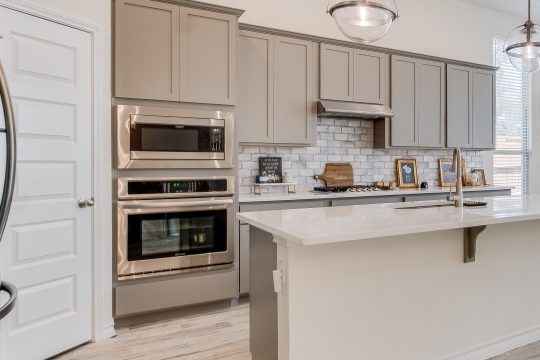
Cabinet refinishing is an excellent option for homeowners looking to update their kitchen’s look without spending the money or time necessary for full replacement. It also offers more customization options.

Replacing cabinets is a labor-intensive project that requires demolition and potential structural changes. Cabinet Refinishing Sacramento is less invasive, and can usually be completed in just a few days.
One of the biggest decisions you’ll make when upgrading your kitchen is whether to replace cabinets or refinish them. This choice has a huge impact on your budget, timeline, and overall home renovation project. While refacing and replacement both have their benefits, cabinet refinishing is an alternative that is more cost-effective. It also allows you to save money that you can put toward other projects.
Replacing cabinets can be a time-consuming and expensive project, which is why many homeowners choose to resurface or refinish their existing ones instead. This option reduces waste and the environmental impact of producing new materials. Moreover, it’s less disruptive and can be done in just a few days, which means you won’t have to wait long to get back your functional kitchen.
When it comes to refinishing, a professional approach is best. This is because it involves handling chemicals and equipment that require training and knowledge to use safely. Hiring professionals also eliminates the risk of making costly mistakes that lead to unsatisfactory results. In addition, they will have the specialized tools to ensure a smooth and even finish for longevity.
The average cost of cabinet refinishing is between $200 and $300 per linear foot, which includes labor and materials. However, the price can vary based on your geographic location and cabinet material. In addition, the quality of the job and the type of products used will affect cost.
If you want to refinish your kitchen cabinets, start by sanding down the surface and applying a primer to prepare it for the new stain or paint. After that, you can apply your desired color or finish and seal it to enhance durability and protect the surfaces against wear and tear. Refinishing also allows for a greater degree of customization than refacing, which only offers a limited number of options based on available materials. This makes it an excellent choice if you’re looking to achieve a customized look that suits your lifestyle.
Time-Saving
Cabinet refinishing is a faster option for homeowners looking to transform their kitchen without the hassle and expense of a complete remodel. This process takes less time than a full replacement, and it also saves money on the cost of new materials.
However, this type of project is not without its challenges. Getting it right requires experience and a keen eye for detail. To make the task easier, homeowners should plan ahead and set up a workspace for the job. If the cabinets are built-in, they should be moved to a temporary space for the duration of the project. If this isn’t possible, they should be covered to protect them from dust and debris.
Once the workspace is prepared, the cabinets should be thoroughly cleaned to remove grease and grime. This step is important for ensuring that the new finish adheres properly. Next, the cabinets should be sanded to create a smooth surface. Then, the cabinets can be either painted or stained. Staining gives a natural look and can highlight the wood’s natural grain, while painting offers a wide range of colors and finishes. After the cabinets have been finished, a sealant should be applied to provide protection against wear and tear.
If you’re considering a kitchen remodel, be sure to consider the pros and cons of each option before making a decision. Depending on the condition of your existing cabinets, refinishing may be the ideal solution, while refacing may be better suited to homeowners who want a more dramatic and drastic change to their kitchen’s appearance.
The cost of refacing is higher than that of refinishing, but it’s still more affordable than replacing your cabinets entirely. It’s also a more environmentally friendly option, as it reduces the need for new materials and helps to conserve resources.
When it comes to cabinet refinishing, the most important thing is to take your time and get it right. To ensure that you achieve the best results, be sure to choose a professional painter who understands how to work with a variety of different surfaces and can handle even the most complex of jobs. Choosing the right product is also crucial, so be sure to research the various options available before choosing a brand. Finally, be sure to follow all of the recommended safety precautions when working with chemical-based products.
Environmentally-Friendly
Cabinet refinishing is a more environmentally-friendly alternative to replacing cabinets. Creating new cabinet structures from raw materials requires substantial energy, and the transportation of those materials contributes to carbon emissions. Refacing cabinets with a new veneer surface and hardware saves natural resources and keeps usable materials out of landfills.
Many cabinet refinishing companies now offer sustainable materials to help you make your project an eco-friendly upgrade. FSC-certified wood, for example, ensures that timber was harvested in a way that protects biodiversity and prevents deforestation. Additionally, recycled materials, like glass or metal, are a great option for new door panels and hardware. They reduce demand for raw materials, keep waste out of landfills, and add a unique, modern aesthetic to your kitchen.
Another advantage of cabinet refinishing is that it uses existing structures rather than creating and installing new ones, making it a less-intrusive renovation choice. Tearing out and removing old structures generates large amounts of dust and debris, which can contaminate surfaces throughout your home. Cabinet refinishing, on the other hand, limits this dust to the cabinet surfaces being renovated. This allows you to continue using your kitchen while the work is being done.
Minimized Construction Mess
Cabinet replacement involves significant demolition and construction that can create a lot of mess and dust. The process also produces a great deal of airborne particles that can affect the health and comfort of your family and pets. Cabinet refinishing, on the contrary, uses chemical peels and sanding to remove the old finish and paint without the need for extensive demolition or construction. This results in a less-disruptive renovation that is much healthier for your family.
The refinishing process also benefits the environment by using low-VOC or zero-VOC paints. These paints have a lower environmental impact and are safer for your family, pets, and the planet. They use renewable resources and are produced with low-energy production methods that minimize environmental impacts. They are also more durable and long-lasting than traditional finishes, allowing you to keep your new look for years to come with minimal maintenance.
Customizable
Cabinet refinishing allows homeowners to change the look of their kitchen, laundry room, or bathroom cabinets without the cost and inconvenience of a complete remodel. However, it’s important to understand what the refinishing process entails before you choose this option.
The refinishing process involves stripping the current finish, sanding, and then applying a new stain or paint. Professionals utilize top-tier materials that offer durability and style for a long-lasting result. These products are also easy to maintain and can withstand everyday wear and tear.
When it comes to color, the options are nearly endless. Choosing the right shade can make or break your aesthetic. It’s important to consider not only what looks good now, but how the color will age over time and if it will complement other elements of your kitchen. Your professional can help you narrow down your choices and provide sample boards to help you determine which hue will be the best fit for your home.
Another aspect to consider is the finish type. There are many different options available, from matte to satin to gloss. Choosing the right finish can help protect your cabinets from moisture and stains and add an extra layer of sophistication to your kitchen.
Cabinet refinishing also provides the opportunity to address minor damages like scratches and dents. A skilled professional can fill in these imperfections, allowing you to achieve a flawless finished product. They can also install new hardware, including pulls, which can add a modern or rustic touch.
The refinishing process can be completed in less time than refacing, making it a convenient option for those who are in need of a quick transformation. Refacing, on the other hand, can take significantly longer due to the fact that it is a more involved project. Both options are great for transforming outdated cabinets into something that will add value to your home, but refinishing is a more cost-effective and eco-friendly solution. If you’re interested in giving your kitchen a facelift, contact a professional for a free estimate. They can walk you through the process and help you achieve the kitchen of your dreams.