Water damage emergencies are among the most urgent and potentially destructive situations a homeowner can face. Whether caused by a burst pipe, appliance failure, severe weather, or an overflowing fixture, water has the ability to spread rapidly and infiltrate nearly every part of a home. What starts as a localized issue can escalate into a widespread problem within hours, affecting flooring, walls, furniture, and even the structural integrity of the building.
In these situations, time is not just important—it is critical. A quick response can significantly reduce the extent of the damage, lower repair costs, and prevent long-term complications such as mold growth and structural deterioration. Understanding why immediate action matters and knowing how to respond effectively can make all the difference in protecting your home and restoring it efficiently. Visit Our Website for additional information.
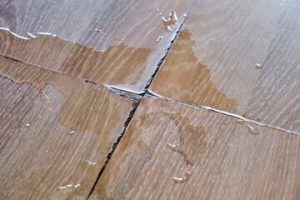
How Water Damage Escalates Over Time
Water damage is a dynamic process that worsens the longer it is left unaddressed. Within minutes, water begins to spread across surfaces, soaking into porous materials such as wood, drywall, and carpeting. As time progresses, it penetrates deeper into subfloors, insulation, and structural components.
Within the first few hours, materials may start to swell, warp, or discolor. Furniture and personal belongings can absorb water, becoming damaged or unsalvageable. Electrical systems may also be compromised, creating potential safety hazards.
After 24 to 48 hours, the situation becomes even more serious. Mold can begin to develop, especially in damp and poorly ventilated areas. This not only damages materials further but also introduces health risks for occupants. The longer the response is delayed, the more complex and costly the restoration process becomes.
Minimizing Structural Damage Through Immediate Action
One of the primary reasons for a quick response is to minimize structural damage. Water weakens building materials over time, causing wood to rot, metal to corrode, and drywall to deteriorate. If left untreated, these issues can compromise the stability and safety of the home.
Acting quickly helps limit the amount of water that is absorbed into these materials. By removing water and beginning the drying process early, homeowners can preserve the integrity of walls, floors, and support structures. This reduces the need for extensive repairs and helps maintain the overall value of the property.
Immediate action also prevents water from spreading to unaffected areas, containing the damage and simplifying the restoration process.
Preventing Mold Growth and Health Risks
Mold growth is one of the most significant consequences of delayed response to water damage. Mold thrives in moist environments and can begin to grow within a short period of time. Once it takes hold, it can spread rapidly, affecting both visible and hidden areas of the home.
The presence of mold poses health risks, including respiratory issues, allergies, and irritation. For individuals with preexisting conditions, these risks can be even more severe. Preventing mold growth requires prompt removal of moisture and thorough drying of all affected areas.
Key steps to prevent mold include:
- Removing standing water immediately, to reduce moisture levels.
- Using proper drying equipment, such as fans and dehumidifiers, to eliminate residual moisture.
By addressing moisture quickly, homeowners can create conditions that are unfavorable for mold growth, protecting both their property and their health.
Reducing Repair Costs and Financial Impact
The financial implications of water damage can be significant, especially when response is delayed. As damage spreads and materials deteriorate, the scope of repairs increases, leading to higher costs. What might have been a minor repair can quickly turn into a major restoration project.
A quick response helps control costs by limiting the extent of the damage. Early intervention allows for targeted repairs, reducing the need for widespread replacement of materials. It also minimizes the risk of secondary issues, such as mold remediation, which can add to the overall expense.
From a financial perspective, acting quickly is one of the most effective ways to protect your investment and avoid unnecessary costs.
Protecting Personal Belongings
In addition to structural components, water damage can affect personal belongings, including furniture, electronics, and important documents. These items are often vulnerable to water exposure and can be difficult or impossible to replace.
A rapid response increases the chances of salvaging these items. Removing them from affected areas, drying them promptly, and taking protective measures can prevent permanent damage. Even items that appear to be heavily affected may be recoverable if addressed quickly.
Protecting personal belongings not only reduces financial loss but also preserves items of sentimental value that cannot be replaced.
The Role of Professional Emergency Services
Professional water damage restoration services are equipped to respond quickly and effectively to emergencies. They have the tools, expertise, and experience needed to assess the situation, extract water, and implement drying strategies.
Their rapid response capabilities are essential for minimizing damage and ensuring a thorough recovery process. Professionals use advanced equipment to detect hidden moisture, monitor drying progress, and prevent secondary damage.
Benefits of professional emergency response include:
- Faster water extraction, using industrial-grade equipment.
- Comprehensive drying, addressing both visible and hidden moisture.
Relying on professional services ensures that the response is both immediate and effective, reducing the risk of long-term issues.
Safety Considerations During Emergencies
Water damage emergencies can create hazardous conditions that require careful handling. Electrical systems, gas lines, and structural elements may be compromised, posing risks to occupants.
Before entering affected areas, it is important to assess potential dangers. Turning off electricity, avoiding contact with standing water, and wearing protective gear can help prevent injuries.
Safety should always be a priority during emergency response. Taking the necessary precautions ensures that the situation is handled responsibly and reduces the risk of additional harm.
Steps to Take Immediately After Water Damage
Knowing what to do in the first moments after water damage occurs is critical for effective response. Taking the right steps can significantly reduce the impact and set the stage for successful restoration.
Immediate actions to take include:
- Stopping the source of water, such as shutting off the main supply or repairing leaks.
- Removing excess water, using available tools or professional services.
- Ventilating the area, by opening windows and using fans to promote airflow.
- Documenting the damage, for insurance purposes.
These steps help stabilize the situation and prevent further damage while preparing for the next phase of recovery.
Long-Term Benefits of Quick Response
Responding quickly to water damage emergencies offers benefits that extend beyond immediate recovery. It helps preserve the structural integrity of the home, maintain indoor air quality, and reduce the likelihood of recurring issues.
A prompt response also contributes to a smoother restoration process, minimizing disruptions to daily life. Homeowners can return to normal routines more quickly, with confidence that their home has been properly restored.
In the long term, quick action protects property value and ensures that the home remains a safe and comfortable living environment.
Building Preparedness for Future Emergencies
While water damage emergencies are often unexpected, being prepared can make a significant difference in response time. Having a plan in place allows homeowners to act quickly and effectively when an incident occurs.
Preparation strategies include:
- Regular maintenance of plumbing and appliances, to reduce the risk of leaks.
- Keeping emergency tools on hand, such as wet vacuums and fans.
- Knowing how to shut off water and electricity, in case of an emergency.
Being prepared ensures that homeowners can respond immediately, minimizing damage and improving outcomes.
Conclusion
The importance of quick response in water damage emergencies cannot be overstated. Time plays a critical role in determining the extent of damage, the cost of repairs, and the overall success of the restoration process. Acting promptly helps minimize structural damage, prevent mold growth, protect personal belongings, and reduce financial impact.
From immediate mitigation steps to professional intervention and long-term prevention, every action taken during the early stages of a water damage emergency contributes to a better outcome. By understanding the urgency of the situation and responding effectively, homeowners can protect their property and ensure a safe, healthy living environment.
Ultimately, a quick response is not just about addressing the immediate problem—it is about safeguarding the future of your home.