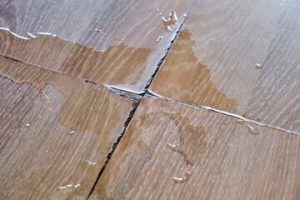
Every mark tells a story. A spilled drink, a muddy footprint, or a forgotten accident can turn a carpet’s beauty into a reminder of carelessness. Yet, carpet stain removal is no longer just about cleaning—it has evolved into an art of fabric restoration. Today’s methods go beyond scrubbing; they focus on reviving the carpet’s texture, color, and integrity.

Modern carpet stain removal explores the chemistry behind each stain. The fibers respond differently depending on their composition and the contaminant involved. Professionals and enthusiasts alike now study how organic and synthetic stains behave on varying materials. This scientific approach prevents unnecessary fiber damage and prolongs the carpet’s life.
One innovative idea gaining attention involves pH balancing techniques. Instead of relying solely on harsh cleaners, experts restore the natural pH of carpet fibers. This balances the reaction between the stain and the cleaning solution, reducing long-term wear. It’s a gentle science that prioritizes preservation over mere removal.
Another growing concept is the use of encapsulation technologies. These treatments capture soil particles in microscopic crystals that are vacuumed away once dry. The method requires minimal water, preserving both the backing and underlay. It’s an efficient evolution that aligns with modern sustainability principles.
People often misunderstand carpet care as just removing the visible dirt. In truth, a stain can seep deep into the structure, affecting odor and fiber elasticity. New research shows that delayed treatment leads to permanent discoloration due to oxidization at the molecular level. Hence, timing plays a crucial role in the entire process.
A fascinating development in this field involves controlled temperature cleaning. Certain stains react differently under various heat levels. Applying measured warmth allows for safer activation of cleaning agents without damaging dyes. This nuanced practice shows how small adjustments can redefine effectiveness.
Psychology also finds a place in carpet restoration. Clean carpets influence how people perceive their surroundings, associating freshness with comfort and care. Homeowners feel calmer and more confident when their spaces appear spotless. It’s proof that carpet care impacts more than just appearance—it shapes emotional well-being.
The scent left behind after cleaning has become another point of innovation. Rather than masking odors, new solutions neutralize them at the molecular stage. This approach eliminates hidden residues that could resurface with humidity. The result is a longer-lasting clean that feels genuinely refreshing.
Technology continues to shape the modern cleaning landscape. Smart sensors and scanners can now identify stain composition and recommend tailored treatments. These tools make precision cleaning possible, even for non-experts. The future may hold autonomous systems that preserve carpets with minimal human input.
There’s also renewed interest in fiber memory restoration. When carpet fibers are crushed or hardened by stains, specialized tools realign their structure. This gives carpets a rejuvenated, fluffy appearance, restoring volume without harsh brushing. Such techniques prove that restoration is both a visual and tactile pursuit.
Carpet stain removal intersects with environmental responsibility as well. Scientists experiment with biodegradable compounds that break down organic matter naturally. These solutions leave no harmful residue and maintain air quality indoors. As awareness grows, people seek cleaning practices that align with eco-conscious living.
Another area of exploration lies in micro-level hydration control. Over-wetting during cleaning often leads to shrinkage or mildew. Controlled misting systems now regulate moisture, ensuring deep cleaning without saturation. This approach enhances drying speed while maintaining fiber resilience.
The future of carpet care might also include AI-based prediction systems. These algorithms could analyze foot traffic, humidity, and past incidents to forecast potential stains. Preventive treatment could then be applied, stopping discoloration before it begins. It’s a proactive way to maintain elegance without constant intervention.
In households and offices, people are discovering the benefits of routine pre-treatment. Applying protective layers before stains occur creates an invisible shield. These micro barriers resist absorption, allowing for faster cleanup later. Such innovations transform cleaning from a reaction to a prevention strategy.
Artisans in carpet restoration also value cultural preservation. Antique rugs, for instance, require precise handling that respects their heritage. Each fiber holds history, and improper cleaning could erase part of that legacy. Thus, stain removal becomes an act of care, bridging science and tradition.
Color restoration remains another fascinating dimension. Some stains alter pigments irreversibly, yet advanced color-matching methods restore uniformity. By understanding light reflection in fabric dyes, experts can reconstruct lost hues. The artistry lies in creating balance without over-saturation.
Carpet cleaning trends now also emphasize mindfulness. The slow, deliberate process of caring for a surface encourages patience and focus. It reminds people to appreciate the details that bring comfort to their surroundings. In this sense, stain removal becomes a small ritual of renewal.
Newer fabrics introduce complex challenges. Blends of synthetic and natural fibers demand hybrid solutions that adapt to both textures. These mixed materials often repel water but attract oil, requiring dual-action treatments. Understanding such contrasts defines the next level of expertise.
Even sound plays a subtle role in modern cleaning techniques. Silent extraction systems reduce disruption during stain removal. This improvement supports calm indoor environments where relaxation or work continues undisturbed. It’s a refined touch in the pursuit of sophistication.
The concept of “dry renewal” is another breakthrough. Using minimal moisture, specialized powders lift stains mechanically. This technique reduces downtime, allowing carpets to remain in use almost immediately. The practicality appeals to both commercial and domestic spaces.
Education empowers individuals to handle stains more intelligently. Knowing the difference between protein-based and synthetic marks guides better action. With access to this knowledge, fewer carpets end up discarded prematurely. Awareness leads to sustainability in both cleaning and consumption.
Carpet stain removal also mirrors human adaptability. Each challenge brings a new technique, a better understanding of texture and chemistry. The evolution of these methods parallels how people learn from mistakes and improve over time. What was once routine cleaning is now a thoughtful process of renewal.
Innovators now experiment with nanotechnology. Nano-coatings applied to carpet fibers make them resistant to future stains. These invisible shields repel liquids and oils without changing texture. The result is a cleaner, longer-lasting carpet that needs less maintenance.
Even lighting conditions affect how stains are perceived and treated. Bright light can exaggerate discoloration, while dim light may conceal deeper marks. Adjusting illumination during cleaning helps technicians gauge true cleanliness. Precision begins with perception.
The emotional aspect of cleanliness continues to grow in importance. Clean carpets signify order, nurturing a sense of harmony in any space. They create a visual softness that influences comfort and belonging. A well-maintained carpet, therefore, speaks quietly of care and pride.
Researchers are now studying bio-responsive cleaners. These innovative solutions adjust their potency depending on the type of stain detected. They interact dynamically with organic matter, offering targeted efficiency. It’s cleaning that thinks for itself.
In design spaces, clean carpets enhance acoustic and visual balance. They absorb sound while grounding the aesthetic of a room. A spotless floor invites movement and interaction, encouraging people to linger. It’s a subtle yet powerful part of environmental psychology.
Carpet stain removal also intersects with air purification. When carpets trap dust or residue, they can affect air quality. Effective cleaning restores the carpet’s ability to filter particles naturally. Thus, maintaining the floor covering becomes essential to overall wellness.
The link between textiles and technology grows stronger every year. Smart fabrics embedded with sensors may soon alert users to spills before they set. This early detection enables immediate response, preserving fibers and color. It’s innovation woven into everyday life.
Even as techniques advance, the heart of carpet restoration remains human attention. Machines and formulas can assist, but observation and care bring the best results. The human eye detects subtleties that sensors might overlook. In that sense, the craft still thrives on intuition.
The evolution of carpet care continues to mirror modern values—sustainability, mindfulness, and efficiency. Each development adds nuance to a practice once seen as routine. It’s no longer just cleaning; it’s about sustaining beauty and health. The act becomes both technical and poetic.
Ultimately, the story of carpet stain removal reflects the story of transformation. What was once marred regains its luster, just as people recover from the marks life leaves behind. Renewal takes time, precision, and gentle persistence. A clean carpet becomes a quiet testament to resilience.
In the end, the art of removing stains is about more than saving fabric. It’s about restoring dignity to the spaces people inhabit. When the floor beneath one’s feet looks and feels renewed, it uplifts the entire atmosphere. Every revived carpet, therefore, becomes a symbol of care reborn through innovation.
Visit our Professional Services Blogs
Tattoo 719, Ontario Dental 2, Yuma Sparkly Clean, Download IMO Beta, USA Fast Support, 1800 Mold Lab, Clear To Close Masters